You Won’t Believe What Happens at Wales’ Hidden Festivals
Wales isn’t just castles and mountains—it’s alive with rhythm, color, and tradition. I stumbled upon its festival culture by accident, and honestly? Mind-blown. From ancient customs to modern music under the stars, these gatherings are raw, real, and deeply welcoming. If you think UK festivals are just Glastonbury, wait till you see what Wales keeps quietly perfecting. This is culture you feel in your bones. More than performances or parades, Welsh festivals pulse with identity, resilience, and community. They are not staged for tourists but lived by locals, passed down through generations, and open with quiet generosity to those who come with open hearts. This is not entertainment—it’s belonging.
The Pulse of Welsh Identity: Why Festivals Matter Here
Festivals in Wales are far more than seasonal celebrations—they are living expressions of national identity, woven deeply into the fabric of daily life. Unlike commercialized events elsewhere, many Welsh festivals originate from centuries-old traditions that reflect the country’s linguistic pride, artistic heritage, and strong sense of place. The Welsh language, once under threat, finds a vibrant home in these gatherings, where poetry, song, and storytelling are not performances but acts of cultural preservation. Events like the Eisteddfodau—competitive festivals of music, literature, and performance—have served as guardians of the Welsh tongue since medieval times. These are not relics displayed behind glass; they are practiced, spoken, sung, and fiercely cherished.
What sets Welsh festivals apart is their rootedness in community rather than profit. While larger nations may prioritize spectacle, Wales chooses intimacy and authenticity. In villages across the country, local councils, schools, and volunteer groups organize annual events that bring neighbors together, strengthen intergenerational bonds, and pass down customs that might otherwise fade. A harvest festival in a small Carmarthenshire town, a choir competition in a slate-built chapel in Gwynedd, or a New Year’s bonfire in Powys—each carries the weight of history and the warmth of belonging. These moments are not about drawing crowds from abroad but about reaffirming who the people are and where they come from.
For visitors, this means stepping into something real. There is no façade, no overproduced stagecraft—just people sharing what matters most to them. Whether it’s a child reciting a poem in Welsh, an elder judging a harp competition, or a family serving traditional bara brith at a community tent, every gesture speaks of continuity. The emotional resonance of these events lies in their sincerity. You don’t watch a Welsh festival—you feel it. And in that feeling, you begin to understand why these traditions endure: because they are not merely celebrated, they are needed.
A Week in the Wild: Experiencing the National Eisteddfod
The National Eisteddfod is not just a festival—it is a cultural phenomenon, a week-long immersion into the heart of Welsh creativity and heritage. Held in a different location each year, often in rural areas of north or west Wales, the event transforms a temporary site into a bustling village of art, language, and music. Tents rise from the green hills, connected by winding paths lined with flags, signage in both Welsh and English, and the constant hum of conversation. The air carries the scent of freshly baked Welsh cakes and strong coffee, mingling with the sound of choirs rehearsing and poets preparing for competition.
Spending a full day here is like stepping into a parallel Wales—one where art is central, language is celebrated, and community is everything. The Maes, or main field, hosts dozens of pavilions: one for literature, another for visual arts, a dedicated space for youth activities, and the iconic Gorsedd Circle, where bards are honored in ceremonial robes beneath an open sky. Visitors can watch intense competitions in recitation, choral singing, and instrumental performance, many conducted entirely in Welsh. Yet despite the high level of skill on display, the atmosphere remains welcoming and inclusive. Information is provided in English, signage is bilingual, and volunteers are eager to explain traditions to newcomers.
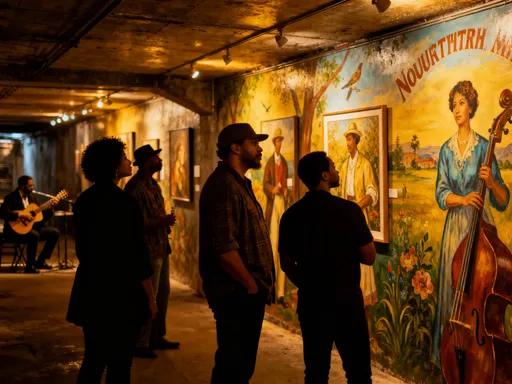
One of the most moving aspects of the Eisteddfod is the intergenerational participation. Children paint in craft workshops using Welsh phrases as prompts. Teenagers compete in songwriting contests, blending traditional melodies with modern beats. Elders sit in folding chairs, listening intently to ancient poetry, their faces lighting up at familiar rhythms. The festival is not curated for youth or tourists—it belongs to everyone. Even the food stalls reflect this balance, offering everything from laverbread burgers to vegan bara brith, served with pride and a smile.
For a visitor, the experience is both enriching and humbling. You realize that this is not a performance for outsiders but a reaffirmation of identity for insiders—and yet, you are invited in. The National Eisteddfod does not demand fluency in Welsh to appreciate its beauty; it asks only for respect and presence. By the end of the week, even those who arrived unfamiliar with the language often find themselves humming a folk tune or attempting a simple ‘diolch’ (thank you) with newfound warmth.
From Ancient Roots to Modern Beats: Festival Diversity Across Wales
Wales’ festival landscape is as varied as its terrain—from misty mountain valleys to rugged coastlines, each region offers a distinct rhythm of celebration. This diversity reflects the country’s ability to honor ancient customs while embracing contemporary creativity. In the north, traditional *Calennig* celebrations mark the New Year with children singing door-to-door for treats, a practice rooted in pre-Christian times. In the west, coastal towns host maritime festivals honoring fishing heritage, complete with boat parades and seaweed-inspired dishes. Meanwhile, in the Brecon Beacons, the internationally acclaimed Green Man Festival draws tens of thousands with its blend of indie music, eco-conscious camping, and woodland art installations.
What makes Welsh festivals unique is how seamlessly old and new coexist. At Green Man, you might see a folk band playing harp and fiddle on the main stage, followed by a synth-pop act under the stars—all within a festival that promotes sustainability, with compost toilets, plastic-free policies, and workshops on climate action. The event feels both modern and deeply rooted, a reflection of Wales’ broader cultural ethos: progressive, proud, and connected to the land. Similarly, the Hay Festival in Hay-on-Wye—famous for literature—combines bestselling authors with local storytellers, blending global ideas with Welsh perspectives.
Seasonality also shapes the festival calendar. Spring brings floral processions and maypole dances in village greens. Summer is packed with music and food festivals, from the colorful Sŵnami in Aberystwyth to the intimate Belladrum-inspired events in Snowdonia. Autumn ushers in harvest festivals, where communities gather to celebrate the season’s bounty with shared meals, cider toasts, and folk dancing. Even winter has its moments—small-town Christmas markets, candlelit church concerts, and the occasional Nos Galan road race in Mountain Ash, honoring a legendary runner with a torchlit ceremony.
This rhythm ensures that there is always something happening, somewhere meaningful. Whether you seek quiet reflection or joyful noise, there is a festival in Wales that matches your mood. And because many events are locally organized, they carry a sincerity often missing in large-scale commercial festivals. You’re not just attending—you’re participating in a tradition that has shaped Welsh life for generations.
Off-the-Beaten-Path Gems: Local Celebrations You’ve Never Heard Of
Beyond the well-known names like Green Man and Hay Festival lie dozens of smaller, deeply authentic celebrations that capture the soul of Welsh community life. These are not marketed on social media or featured in glossy travel magazines—but they are where the true spirit of Wales shines brightest. Take the Llangrannog Sea Festival, a modest but joyful gathering on the Ceredigion coast. Organized by villagers, it includes a blessing of the boats, a crab-crawling race for children, and a seafood barbecue featuring locally caught mackerel and limpets. There are no VIP areas, no corporate sponsors—just neighbors laughing, musicians playing on the beach, and the sea wind carrying songs inland.
Or consider the Llanwrtyd Wells Beer Festival, held in the smallest town in Britain. What began as a local pub event has grown into a quirky celebration of real ales and Welsh humor, complete with the famous ‘Man vs Horse’ race held nearby. The festival embraces absurdity with pride—there are costume contests, spoon races, and even a bog snorkeling championship in a nearby peat-filled pond. Yet beneath the fun lies a serious commitment to local economy and tradition. Every pint served supports independent breweries, and every stall features Welsh-made goods.
Then there are the literary fringe events in Hay-on-Wye that happen outside the main festival season. In cozy bookshops and village halls, local poets read their work, schoolchildren perform adaptations of Welsh myths, and visiting authors lead quiet workshops on nature writing. These events are unassuming but powerful—proof that storytelling remains at the heart of Welsh culture. They are not about fame or profit, but about connection, creativity, and the simple joy of sharing words.
For travelers, discovering these hidden festivals requires curiosity and a willingness to wander. Local tourism websites, community notice boards, and word-of-mouth are often the best sources. When you do find one, approach with respect. These events are not spectacles—they are community rituals. Arrive early, stay late, buy from local vendors, and don’t be afraid to ask questions. More often than not, you’ll be greeted not as a tourist, but as a guest. And that distinction—between observer and participant—is what makes the experience unforgettable.
Planning Your Visit: When, Where, and How to Go Right
Timing is key when planning a festival trip to Wales. The peak season runs from late June to early September, when weather is mildest and the festival calendar is fullest. The National Eisteddfod, Green Man, and most coastal events take place during this window. However, spring and autumn offer quieter alternatives, with fewer crowds and a more local feel. February brings the Urdd Eisteddfod, a youth-focused version of the national event, often held in milder coastal towns. December features Christmas markets in cities like Cardiff and Swansea, as well as intimate candlelight services in historic chapels.
Transportation in Wales is reliable but requires planning. Major cities like Cardiff, Swansea, and Bangor are connected by train, but many festival sites—especially rural ones—are best reached by car. Public transport options include local buses and regional rail services, though schedules can be infrequent in remote areas. For maximum flexibility, renting a car is recommended, particularly if you plan to explore beyond the festival grounds. Campervan travel is increasingly popular, especially for events like Green Man, where on-site camping is part of the experience.
Accommodation ranges from charming B&Bs and guesthouses to farm stays and holiday cottages. Many small towns see high demand during festival weeks, so booking six to eight weeks in advance is wise. If camping is your preference, check whether the festival offers official sites—Green Man and the National Eisteddfod both provide well-organized camping with showers, charging stations, and food vendors. For a more immersive stay, consider a ‘croft’ or smallholding experience, where you can help with chores, meet local animals, and enjoy home-cooked meals.
Packing smart is essential. Welsh weather is famously unpredictable—sunshine can turn to rain within minutes. Layers are your best friend: waterproof jackets, sturdy boots, warm sweaters, and a reliable umbrella. Even in summer, evenings can be chilly, especially in the mountains. Bring reusable items—water bottles, shopping bags, and coffee cups—as many festivals promote sustainability. And don’t forget a small notebook or journal; you’ll want to remember the moments that move you.
Immersing Yourself: Etiquette, Language, and Local Connection
One of the most beautiful aspects of Welsh festivals is the warmth of local hospitality. People are generally welcoming, especially to those who show genuine interest in their culture. To deepen that connection, a few simple gestures go a long way. Learning a few basic Welsh phrases—such as ‘bore da’ (good morning), ‘nos da’ (good night), and ‘diolch yn fawr’ (thank you very much)—is appreciated, even if your pronunciation isn’t perfect. Locals smile at the effort, and it opens doors to conversation.
Understanding cultural etiquette enhances the experience. During performances, especially at Eisteddfod events, silence is valued. Clapping is appropriate at the end of a piece, but talking or moving around during a recitation or song is considered disrespectful. In community-led festivals, it’s polite to wait until after a blessing or ceremony before eating or joining in. When in doubt, observe and follow the lead of others. Most importantly, listen more than you speak. The stories shared—whether over a meal, during a walk, or in a workshop—are gifts, not performances.
Supporting local vendors is another meaningful way to engage. From handmade jewelry to homemade preserves, festival stalls are filled with products crafted with care. Buying something small—a jar of honey, a woven bookmark, a piece of pottery—not only supports the maker but creates a lasting memory. And when you sit down to eat, choose food made with local ingredients. Welsh lamb, laverbread, and Caerphilly cheese are not just delicious—they are part of a culinary tradition shaped by the land.
Slowing down is perhaps the greatest act of respect. Welsh festivals are not about rushing from stage to stage or checking off attractions. They are about presence—sitting in the grass, listening to a story, sharing a laugh with strangers who quickly feel like friends. When you move at the pace of the place, you stop being a visitor and start becoming part of the moment. And in that shift, you discover the true magic of Wales: a culture that doesn’t perform, but lives.
Beyond the Festival Ground: Pairing Culture with Landscape
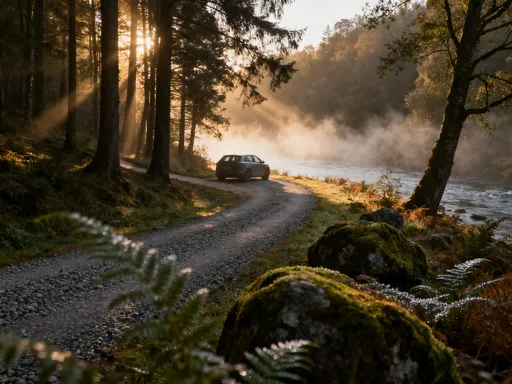
No festival in Wales exists in isolation. Each is rooted in a landscape that shapes its character and deepens its meaning. The country’s dramatic scenery—rolling hills, wild coastlines, ancient woodlands—does not merely serve as a backdrop; it is a co-host, a silent participant in every celebration. After dancing at Green Man in the Brecon Beacons, many attendees hike the nearby Sugar Loaf mountain, where the air is crisp and the views stretch for miles. The physical effort of the climb mirrors the emotional lift of the music, creating a sense of renewal.
Along the Pembrokeshire Coast Path, festivals often coincide with guided coastal walks, where participants learn about seabirds, tidal patterns, and local legends. Walking the cliffs after a morning of storytelling connects the past to the present, the human to the natural. In Snowdonia, families combine visits to village eisteddfodau with short hikes to hidden lakes or waterfalls, turning cultural trips into full sensory experiences. Even in the south, where industrial heritage meets green valleys, festivals are paired with canal walks, coal tip park visits, and nature trails that tell the story of the land’s transformation.
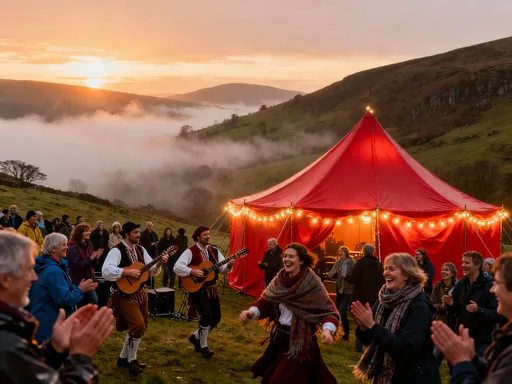
This integration of culture and nature is intentional. Many festival organizers work with local conservation groups to promote environmental stewardship. Workshops on foraging, stargazing, and wildlife photography are common, encouraging visitors to see the landscape as more than scenery—as a living, breathing part of Welsh identity. Children learn to identify native plants, adults join guided moth nights, and photographers capture the golden light of sunset over misty fields.
For the traveler, this means every festival journey becomes an adventure. You don’t just attend an event—you explore a region, meet its people, and feel its pulse. Whether you’re kayaking along the Menai Strait after a maritime festival or cycling through the Wye Valley following a literature weekend, the experience is richer, deeper, more personal. Wales understands that culture cannot be separated from place. And when you move through both with intention, you don’t just see the country—you feel it in your bones.
Wales’ festival culture is not something you watch—it’s something you join. It’s where history dances with the present, and strangers feel like neighbors. By stepping into these celebrations, you don’t just see Wales—you become part of its heartbeat. Ready to answer the call?