You Won’t Believe These Hidden Art Traps in Kathmandu
Kathmandu’s art scene is more than prayer flags and temple carvings—it’s alive, raw, and full of surprises. But not every gallery or studio lives up to the hype. I’ve wandered through bustling courtyards and quiet alleys chasing authentic creativity, only to stumble into overpriced tourist traps or poorly curated spaces. If you're seeking real artistic soul, knowing what to avoid is just as important as knowing where to go. Let me guide you through the truths, the disappointments, and the truly magical spots most travelers miss.
The Allure of Kathmandu’s Art Scene
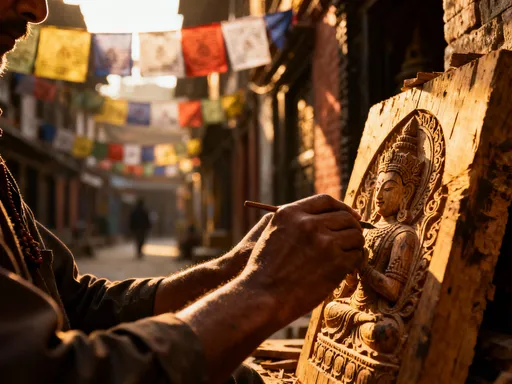
Kathmandu has long been a cradle of artistic expression, where centuries-old traditions blend seamlessly with modern creativity. The city pulses with a quiet reverence for craftsmanship, visible in the intricate wood carvings of Nyatapola Temple, the delicate metalwork of Swayambhunath, and the vibrant murals adorning centuries-old courtyards. This heritage, rooted deeply in Newari, Buddhist, and Hindu traditions, forms the foundation of Nepal’s artistic identity. What makes Kathmandu especially compelling today is how this legacy continues to evolve. A new generation of artists is reinterpreting ancient symbols through contemporary mediums—think thangka paintings reimagined with urban graffiti elements or traditional textile patterns transformed into modern fashion designs.
Travelers are increasingly drawn to this dynamic fusion. Art lovers no longer come just to see monuments—they come to experience creativity in motion. Galleries have sprung up in repurposed heritage homes, street art flourishes on alley walls, and community studios invite visitors to witness the creative process firsthand. The city’s art scene offers more than visual delight; it provides a window into Nepal’s soul, where spirituality, history, and innovation converge. This cultural renaissance has turned Kathmandu into a destination not just for trekkers and pilgrims, but for those seeking authentic human expression.
Yet, with rising interest comes commercial pressure. As tourism grows, so does the risk of artistic authenticity being diluted. What was once a deeply personal, community-centered practice can, in some spaces, feel reduced to a performance for foreign eyes. The very charm that draws visitors—the sense of discovering something rare and genuine—can be undermined by places that prioritize profit over integrity. Understanding this tension is key to navigating Kathmandu’s art landscape with awareness and respect.
Pitfall #1: The Overhyped Gallery Experience
One of the most common disappointments for art-seeking travelers is walking into a gallery that looks impressive from the outside but feels hollow within. These spaces often occupy beautifully restored traditional homes, with ornate windows and carved doorframes that suggest cultural depth. Brochures promise “authentic Nepali art” and “exclusive access to local talent,” yet the works on display are frequently mass-produced, lacking originality or personal signature. In some cases, the same paintings—generic mountain scenes, stylized deities, or repetitive mandalas—appear in multiple galleries across Thamel and Durbar Square, indicating a supply chain more focused on volume than vision.
The issue lies in the shift from artist-centered spaces to commercially driven boutiques. Some galleries operate less as cultural hubs and more as high-end souvenir shops, where branding and ambiance are carefully curated to justify premium prices. A piece labeled as “hand-painted by a local master” might, in reality, be part of a factory-produced collection from outside the city. The artist’s name may be used without their direct involvement, reducing their identity to a marketing tool. This not only misleads visitors but also undermines the very creators the galleries claim to support.
To avoid this trap, travelers should look beyond the aesthetics of the space and examine the substance behind the art. Ask questions: Who is the artist? Can you meet them? Is there documentation of their process or background? Genuine galleries often display biographies, host artist talks, or allow visitors to see studios on-site. Transparency is a strong indicator of authenticity. Additionally, pricing can be telling—while high quality deserves fair compensation, suspiciously uniform prices across diverse works may suggest a lack of individual valuation. Supporting spaces that emphasize provenance and artist relationships ensures that your visit contributes meaningfully to the local creative economy.
Pitfall #2: Misleading “Artist Meetups” and Studio Tours
Another growing concern in Kathmandu’s art tourism is the rise of staged studio experiences. Marketed as intimate encounters with working artists, these tours promise behind-the-scenes access to creative processes. However, some of these visits feel less like spontaneous observation and more like rehearsed performances. Artists may be seen “painting” on cue, using exaggerated gestures for the camera, or reciting memorized stories about their work. In extreme cases, the same narrative is repeated across different studios, suggesting a script rather than personal experience.
This performative authenticity caters to the tourist desire for connection but often lacks genuine interaction. The pressure to entertain can overshadow the quiet, contemplative nature of real artistic work. Many true creators prefer solitude during their process and may feel uncomfortable performing for visitors. When tours prioritize spectacle over substance, both the artist and the traveler lose. The artist is reduced to a caricature of creativity, while the visitor misses the chance to witness authentic inspiration in action.
To find real creative interactions, seek out community-based art centers or cooperatives that welcome visitors during open hours rather than scheduled performances. Places like the Nepal Art Council or smaller collectives in Patan often host rotating exhibitions and informal studio days where artists work naturally, open to conversation if they choose. These environments foster organic engagement, allowing travelers to observe without intrusion. Another tip is to attend public events such as art walks or cultural festivals, where the atmosphere is celebratory rather than transactional. By choosing experiences that respect the artist’s autonomy, you increase the chances of encountering creativity that is both honest and inspiring.
Pitfall #3: Ignoring Context in Sacred Art Spaces
Perhaps the most delicate challenge in appreciating Kathmandu’s art lies in understanding the spiritual significance behind many works. Unlike Western art, which is often created for aesthetic or conceptual purposes, much of Nepal’s visual culture is deeply embedded in religious practice. Thangka paintings, for example, are not merely decorative—they are sacred objects used in meditation and ritual. Temple murals depict cosmological truths, and metal statues are consecrated through elaborate ceremonies. When travelers view these works solely as art objects, they risk stripping them of their intended meaning and function.
Misinterpretation is common. A tourist might photograph a temple mural without realizing it represents a protective deity meant to be approached with reverence. Or someone might purchase a thangka as wall decor without knowing it was created for a specific spiritual purpose. While appreciation is not inherently disrespectful, ignorance of context can lead to unintentional insensitivity. Even well-meaning admiration can become problematic when sacred symbols are treated as fashion accessories or home furnishings.
The solution is not to avoid these spaces but to engage with them thoughtfully. Before photographing religious art, observe local behavior—do others bow, remove shoes, or maintain silence? Follow their lead. When in doubt, ask a guide or temple attendant about appropriate conduct. Many cultural centers offer brief orientations on the meaning behind artworks, which enriches the experience far beyond surface-level observation. By learning the stories behind the images, visitors move from passive viewers to informed witnesses. This deeper understanding fosters mutual respect and allows the art to be appreciated not just for its beauty, but for its role in sustaining living traditions.
Navigating the Authentic: Where Real Art Lives
Despite the pitfalls, authentic artistic expression thrives in Kathmandu—if you know where to look. Beyond the main tourist circuits, quiet neighborhoods harbor creative energy that remains untouched by commercialization. In Patan, just a short rickshaw ride from Durbar Square, narrow lanes lead to family-run workshops where third-generation woodcarvers shape deities with chisels passed down through decades. Jhamsikhel, often overlooked by guidebooks, hosts community studios where young artists experiment with mixed media, blending traditional iconography with social commentary. These spaces are rarely advertised; they rely on word-of-mouth, local patronage, and genuine interest from visitors.
Grassroots collectives play a vital role in nurturing emerging talent. Organizations like the Kathmandu Contemporary Art Centre and the Nepal Academy of Fine Arts provide platforms for artists who might otherwise struggle to gain visibility. These institutions prioritize artistic development over marketability, hosting workshops, residencies, and exhibitions that encourage innovation while honoring heritage. Visiting such spaces offers a more balanced view of Nepal’s art scene—one that includes both preservation and progress.
One particularly rewarding experience is attending an open studio event in Bhaktapur, where artists invite the public into their homes to view works in progress. There’s no sales pitch, no script—just conversation, tea, and the hum of creativity. These moments capture the essence of authentic art: personal, unfiltered, and rooted in community. They remind us that art in Kathmandu is not a product to be consumed, but a living practice shaped by generations of devotion, skill, and quiet resilience. For the discerning traveler, these are the experiences that linger long after the journey ends.
Practical Tips for a Meaningful Art-Focused Visit
To make the most of your exploration, timing and preparation are essential. The best period to visit is during Nepal’s cultural season, from October to April, when weather is mild and festivals bring extra vibrancy to the streets. Events like Indra Jatra or Buddha Jayanti often include public art displays, processions with elaborately crafted masks, and temporary installations in public squares. Many galleries and studios also schedule open house days during these months, offering live demonstrations, artist talks, and hands-on activities.
When planning your itinerary, prioritize smaller, lesser-known venues over crowded commercial galleries. Research ahead of time—reputable travel forums, cultural blogs, and official tourism sites often list upcoming exhibitions and community events. Consider hiring a local guide with a background in art or anthropology; their insights can transform a casual visit into a meaningful encounter. A knowledgeable guide can explain symbolism, introduce you to artists, and help navigate cultural nuances that might otherwise go unnoticed.
Supporting artists directly is one of the most impactful ways to contribute. When purchasing artwork, buy from the artist or a cooperative that ensures fair compensation. Avoid bargaining aggressively—many pieces take weeks or months to complete and deserve respectful valuation. If you’re unsure about authenticity, ask for certificates of origin or documentation of the creative process. Even if you don’t buy, your engagement matters. Compliment sincerely, ask thoughtful questions, and express genuine interest. These small acts affirm the artist’s work and encourage continued creativity.
Finally, observe local etiquette. In sacred spaces, dress modestly, speak softly, and avoid using flash photography. Always ask permission before photographing people or private studios. In community centers, remove your shoes if requested and accept tea or snacks as a gesture of goodwill. These practices may seem minor, but they reflect a deeper respect for the culture that sustains the art. By approaching your visit with mindfulness, you become part of a positive cycle—one that values authenticity over convenience and connection over consumption.
Why This Journey Matters Beyond Aesthetics
Engaging with Kathmandu’s art is about more than collecting memories or souvenirs—it’s about building bridges of understanding. When we take the time to see beyond the surface, we begin to grasp the values, beliefs, and histories that shape a culture. A hand-carved window isn’t just ornamental; it reflects a worldview where every detail holds symbolic meaning. A thangka painting isn’t merely colorful; it’s a map of the mind’s journey toward enlightenment. By learning to see with depth, we move from tourism to transformation.
Mindful engagement also plays a crucial role in cultural preservation. As global influences grow stronger, traditional art forms risk fading into nostalgia or being reduced to clichés. But when travelers support authentic creators—those who honor their heritage while innovating for the future—they help sustain a living tradition. Every purchase made with awareness, every conversation held with curiosity, becomes an act of protection. It signals that there is value in craftsmanship, in patience, in stories passed down through generations.
Kathmandu’s art is not static. It breathes, evolves, and responds to the world around it. To witness it authentically is to participate in something profound—a dialogue between past and present, local and global, sacred and everyday. As you walk through its alleys and courtyards, remember that the true masterpiece is not just what hangs on the wall, but the spirit behind it. Seek not just beauty, but meaning. Look beyond the trap of the picturesque, and you may find something far more lasting: a connection that enriches both the traveler and the place they visit.