Sweat Your Way to Change: How Exercise Quietly Transforms Weight Management
Living with obesity isn’t just about how you look—it’s daily fatigue, low confidence, and feeling stuck. Many have been there. What changed? Not a magic pill, but movement. Real, consistent exercise. It didn’t just help with weight loss—it reshaped energy, mood, and mindset. This is what doctors don’t always emphasize: exercise works from the inside out. It’s not merely a tool for burning calories; it’s a catalyst for deep, lasting change. This article explores how physical activity transforms the body’s internal systems, supports sustainable weight management, and improves quality of life—one step, one breath, one choice at a time.
The Hidden Struggle Behind the Scale
For many women between 30 and 55, carrying excess weight is more than a number on the scale—it’s a constant companion in daily life. It shows up when climbing stairs leaves you breathless, when shopping for clothes feels like a battle, or when fatigue makes it hard to keep up with family responsibilities. These are not isolated incidents; they are signs of a deeper imbalance. Obesity is not a moral failing or a lack of willpower. It is a complex condition influenced by genetics, environment, lifestyle, and hormonal shifts—especially during perimenopause and menopause, when metabolism naturally slows and fat distribution shifts toward the abdomen.
Beyond the physical discomfort, emotional and psychological burdens often go unnoticed. Feelings of shame, frustration, or invisibility can grow silently, affecting relationships and self-worth. Many women report avoiding social events, skipping photos, or feeling disconnected from their own bodies. The focus on appearance can overshadow the real health risks: increased likelihood of type 2 diabetes, high blood pressure, joint degeneration, and sleep apnea. Yet, despite these concerns, many turn to quick fixes—fad diets, detox teas, or extreme fasting—only to regain the weight, often with added frustration.
The problem with these short-term solutions is that they don’t address the root causes. They may lead to temporary weight loss, but without changes in metabolic health or daily habits, the body resists long-term change. This is where sustainable movement becomes essential. Unlike restrictive diets that the body eventually fights, regular physical activity supports the body’s natural systems. It improves insulin sensitivity, reduces chronic inflammation, and strengthens the heart and muscles. More importantly, it restores a sense of agency—proof that small, consistent actions can lead to real transformation.
Why Exercise? Beyond Burning Calories
Most people think of exercise as a way to burn calories—a simple equation of energy in versus energy out. But this view is incomplete. While calorie expenditure matters, the true power of physical activity lies in how it changes the body’s internal environment. Exercise influences hormones, improves cellular function, and enhances the body’s ability to manage energy. These changes make weight management easier over time, not because you’re working harder, but because your body is working smarter.
One of the most important effects of exercise is on insulin sensitivity. Insulin is the hormone that helps cells absorb glucose from the bloodstream. In people with obesity or prediabetes, cells often become resistant to insulin, leading to higher blood sugar and increased fat storage. Regular physical activity, especially aerobic and resistance training, helps muscles use glucose more efficiently, reducing the need for high insulin levels. This not only lowers the risk of type 2 diabetes but also helps prevent fat accumulation, particularly around the abdomen.
Exercise also affects appetite-regulating hormones like leptin and ghrelin. Leptin, produced by fat cells, signals fullness to the brain. In obesity, leptin levels are high, but the brain often becomes resistant to its signal—leading to persistent hunger. Physical activity can improve leptin sensitivity, helping the brain recognize when you’ve had enough to eat. At the same time, exercise helps stabilize ghrelin, the hormone that stimulates appetite, reducing the urge to overeat after workouts. These hormonal shifts are not immediate, but over time, they support healthier eating patterns without constant willpower.
Another key benefit is the reduction of chronic inflammation. Excess fat, especially visceral fat, releases inflammatory chemicals that contribute to insulin resistance, heart disease, and joint pain. Exercise has been shown to lower levels of these markers, acting like a natural anti-inflammatory. Even moderate activity, such as brisk walking, can reduce C-reactive protein and other inflammatory indicators. This means that movement doesn’t just help you lose weight—it helps your body heal from the inside.
Finding the Right Move: Types of Effective Exercise
Not all exercise is the same, and for women managing weight and joint health, choosing the right type of activity is crucial. The goal is not to push to exhaustion but to build consistency with movements that support the body rather than strain it. Three main types of exercise play complementary roles: aerobic activity, resistance training, and daily movement. Each contributes uniquely to metabolic health, strength, and long-term sustainability.
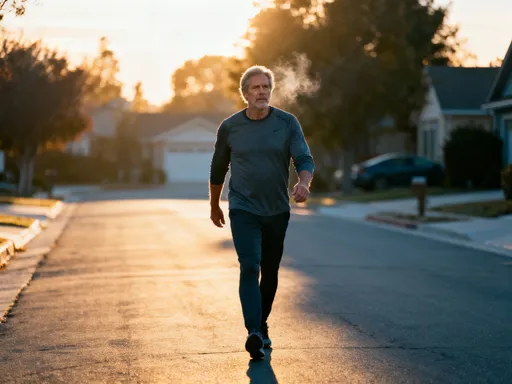
Aerobic exercise—such as walking, cycling, swimming, or dancing—raises the heart rate and improves cardiovascular fitness. It is particularly effective at enhancing insulin sensitivity and burning stored fat. For beginners, brisk walking is one of the most accessible and joint-friendly options. Studies show that walking 30 minutes a day, five days a week, can lead to meaningful improvements in weight, blood pressure, and mood. Water aerobics is another excellent choice, especially for those with knee or hip discomfort, as the buoyancy of water reduces impact while still building endurance.
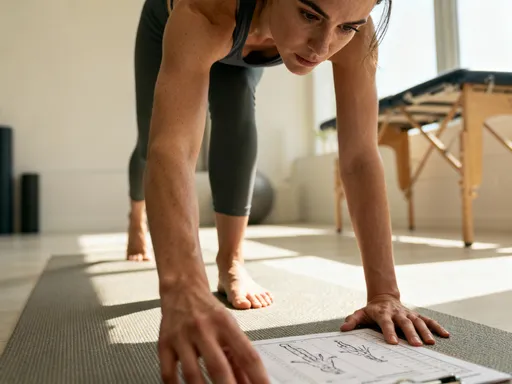
Resistance training is often overlooked, especially by women who fear “bulking up.” But the truth is, muscle is metabolically active tissue—meaning it burns more calories at rest than fat. Building muscle through strength training increases basal metabolic rate, making it easier to maintain weight loss over time. It also improves balance, posture, and bone density, which becomes increasingly important with age. Effective resistance training doesn’t require heavy weights or a gym membership. Bodyweight exercises like squats, lunges, wall push-ups, and seated rows with resistance bands can be done at home and adapted to any fitness level.
Daily movement—sometimes called non-exercise activity thermogenesis (NEAT)—includes all the physical activity you do outside of formal workouts: standing, gardening, cleaning, or taking the stairs. While it may seem minor, NEAT can account for a significant portion of daily calorie expenditure. For women with busy schedules, increasing daily movement is often more sustainable than long gym sessions. Simple changes—like parking farther away, standing during phone calls, or doing short stretches between chores—add up over time. The key is to view movement as part of life, not an add-on.
Starting Small: Building a Routine That Sticks
One of the biggest myths about exercise is that it has to be intense to be effective. In reality, consistency matters far more than intensity. For women juggling work, family, and personal responsibilities, finding time and energy for exercise can feel overwhelming. The solution is not to aim for perfection but to start small and build gradually. Research shows that habits formed through tiny, repeatable actions are more likely to last than those based on motivation alone.
A practical way to begin is by setting realistic, specific goals. Instead of “I want to get fit,” try “I will walk for 10 minutes after dinner three times this week.” Small goals reduce the mental barrier to starting and increase the likelihood of follow-through. Once a habit is established, it can be expanded—adding five more minutes, increasing frequency, or trying a new activity. The focus should be on progress, not perfection.
Choosing enjoyable activities is another key to sustainability. Exercise shouldn’t feel like punishment. If you dislike running, don’t force yourself to run. Instead, explore options that feel good—dancing to favorite music, walking in nature, or joining a low-impact fitness class. When movement is tied to pleasure, it becomes something to look forward to, not dread. Social support can also help. Exercising with a friend, joining a community group, or sharing progress with family can provide encouragement and accountability.
Habit stacking—linking a new behavior to an existing routine—can also boost consistency. For example, doing calf raises while brushing your teeth, stretching after waking up, or taking a short walk after lunch. These micro-moments of movement fit naturally into daily life and reinforce the idea that fitness isn’t about finding time—it’s about making movement a part of how you live. Over time, these small actions build momentum, leading to greater energy, confidence, and physical resilience.
Real Results: What to Expect and When
Many women expect the scale to drop quickly after starting an exercise routine, and when it doesn’t, they may feel discouraged. But weight loss is rarely linear, and the scale often tells an incomplete story. Real progress shows up in other ways—ways that are just as meaningful, if not more so. Improved sleep, better mood, increased stamina, and looser-fitting clothes are often the first signs of change, appearing before significant weight loss occurs.
Sleep quality tends to improve with regular physical activity. Exercise helps regulate the body’s circadian rhythm and reduces stress hormones like cortisol, making it easier to fall asleep and stay asleep. Better rest, in turn, supports weight management by balancing hunger hormones and reducing cravings for sugary, high-calorie foods. Women often report feeling more alert and less fatigued during the day, which makes it easier to stay active and make healthier choices.
Emotional well-being is another early benefit. Physical activity stimulates the release of endorphins, serotonin, and dopamine—brain chemicals that enhance mood and reduce anxiety. Many women describe feeling more in control, more confident, and more connected to their bodies after just a few weeks of consistent movement. These emotional shifts can be powerful motivators, reinforcing the habit and making it easier to continue.
Physical changes also accumulate gradually. Muscles become stronger, posture improves, and daily tasks feel easier. You might notice you can carry groceries without getting winded, walk up a flight of stairs without stopping, or play with children or grandchildren without pain. These functional gains are signs of improved health and fitness, even if the scale hasn’t moved much. Celebrating these non-scale victories helps maintain motivation and reinforces the idea that health is about more than appearance.
Overcoming Common Roadblocks
Even with the best intentions, obstacles will arise. Joint pain, lack of time, low energy, or unexpected life events can derail progress. The key is not to avoid setbacks but to plan for them. Solutions exist for every common barrier, and with small adjustments, most women can stay on track without giving up.
Pain or discomfort, especially in the knees, hips, or back, is a frequent concern. The answer is not to stop moving but to modify the movement. Low-impact exercises like swimming, cycling, or chair-based workouts reduce strain while still providing benefits. Wearing supportive shoes, warming up properly, and listening to your body can also prevent injury. If pain persists, consulting a physical therapist or healthcare provider can help identify safe, effective options tailored to individual needs.
Time constraints are another major challenge. The good news is that exercise doesn’t have to be long to be effective. Research shows that short bouts of activity—such as three 10-minute walks—can provide similar health benefits to one 30-minute session. Scheduling movement like any other appointment—blocking time in the calendar, waking up 15 minutes earlier, or using lunch breaks—can help prioritize it. Even household chores like vacuuming, gardening, or mopping count as physical activity and contribute to daily movement goals.
Fatigue and low motivation often go hand in hand. On days when energy is low, it’s okay to reduce intensity. A gentle walk, light stretching, or restorative yoga can still support circulation and mental well-being. The goal is to stay connected to the habit, not to push through exhaustion. On tough days, remembering the “why”—better health, more energy, feeling strong—can help reignite commitment. Tracking progress in a journal or app can also provide a visual reminder of how far you’ve come.
The Bigger Picture: Exercise as a Lifelong Ally
Weight management is not a destination; it’s an ongoing journey. The goal is not to reach a number and stop, but to build a lifestyle that supports long-term health. Exercise is not a temporary fix—it’s a lifelong ally. When viewed as an act of self-care rather than punishment, physical activity becomes a source of strength, resilience, and empowerment.
The benefits extend far beyond weight. Regular movement reduces the risk of chronic diseases such as heart disease, stroke, type 2 diabetes, and certain cancers. It supports brain health, lowering the risk of cognitive decline and improving memory and focus. It strengthens bones and muscles, reducing the risk of falls and fractures. For women navigating midlife changes, exercise can ease symptoms of menopause, such as hot flashes, mood swings, and sleep disturbances.
More than that, it fosters a deeper relationship with the body—one based on respect and gratitude rather than criticism. Instead of seeing the body as something to fix, women can begin to appreciate what it can do: carry them through life, support their families, and grow stronger with time. This shift in mindset is perhaps the most powerful transformation of all.
Exercise is not about achieving perfection. It’s about showing up, even when it’s hard. It’s about choosing health, one step at a time. And it’s about knowing that every movement counts—whether it’s a walk around the block, a dance in the kitchen, or a stretch before bed. The journey doesn’t start with a dramatic change. It starts with a single step, a quiet decision to move, and the belief that change is possible.